Case Study — Multi-Platform Communication

Unified integration layer connecting AI workspace to Telegram, WhatsApp, Slack, Discord, and more.

8
messaging platforms supported
<2s
average message delivery
Unified
channel abstraction layer
Pluggable
adapter architecture

The challenge.

An AI workspace platform needed to connect to external messaging platforms so users could interact with their AI assistants from Telegram, WhatsApp, Slack, Discord, Signal, Matrix, and Microsoft Teams. Each platform has a different API, auth model, message format, and rate limit.

Building 8 separate integrations without a common abstraction would create a maintenance nightmare and prevent consistent feature delivery across all channels. Every new feature — message threading, file attachments, inline replies — would need to be implemented 8 times with platform-specific quirks.

The specific problems
  • Each platform has a unique API surface, auth model (OAuth, bot token, API key), and message format
  • No common interface for connect, disconnect, send, receive — every integration was bespoke
  • Onboarding flow differed per platform (phone verification, QR code, OAuth redirect), confusing users
  • Message routing required platform-specific normalization into a shared workspace conversation model
What was built.

A pluggable channel adapter architecture with a unified onboarding UX, message routing layer, and deep Telegram integration as the first-class implementation.

Channel Adapter Architecture
Designed a pluggable adapter pattern with a common Channel interface. Each platform implements the same contract: connect(), disconnect(), sendMessage(), receiveMessage(), getChannelInfo(). New platforms can be added by implementing a single interface — typically 1–2 weeks of work per adapter.
Telegram Integration (Depth)
Full Telegram connectivity including user authorization flows with phone verification, code confirmation, and optional 2FA password handling. Built bot and channel onboarding flow, message routing between Telegram and the AI workspace, and support for inline queries, custom keyboards, and file attachments.
Channel Onboarding Flow
Built a unified onboarding UX where users connect any supported messaging platform through a consistent wizard: authenticate → select channels or contacts → configure permissions → verify. Each adapter handles its own auth type (OAuth, bot token, API key) but presents the same UX pattern end-to-end.
Message Routing Layer
Implemented a message router that normalizes incoming messages from any platform into a common schema (sender, channel, content, attachments, timestamp) and routes them to the correct AI session or workspace conversation. Outgoing messages are formatted per-platform — HTML for Telegram, blocks for Slack, adaptive cards for Teams, and so on.

What shipped.

8
messaging platforms supported from a single integration layer
<2s
average end-to-end message delivery across all platforms
1–2
weeks to add a new platform by implementing a single Channel interface
Unified
channel onboarding UX works identically across all platforms
Multi-auth
supports OAuth, bot tokens, API keys, and phone verification per platform
Normalized
common message schema for sender, channel, content, attachments, and timestamp
NestJS TypeScript Telegram Bot API Slack SDK WhatsApp Business API Webhooks Docker PostgreSQL

The developer.

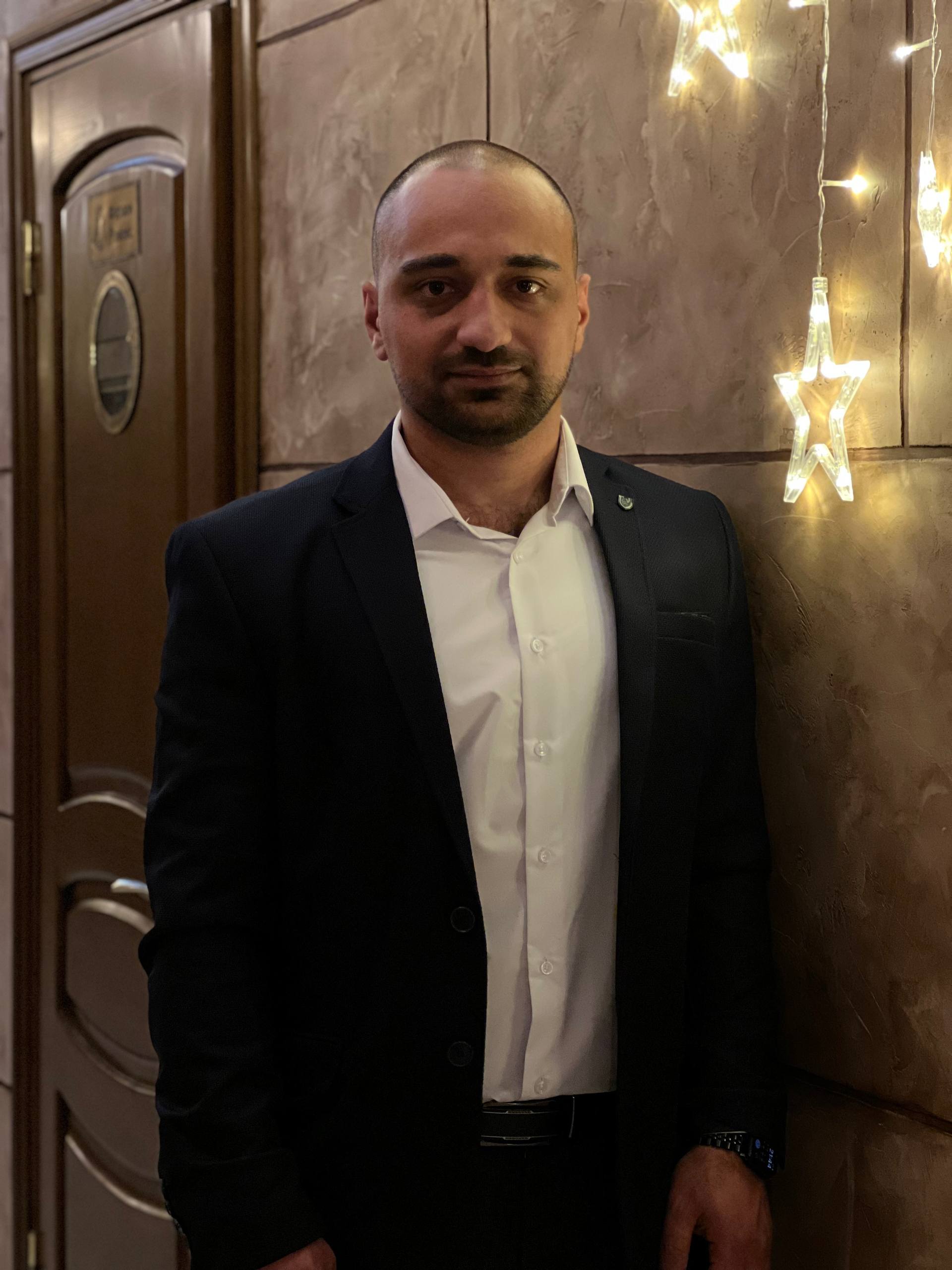
Varazdat Tsarukyan
Varazdat Tsarukyan
Full-Stack Engineer

7+ years building full-stack web applications with React, TypeScript, and NestJS. Deep experience designing and shipping multi-module AI workspace platforms — project-scoped AI sessions, file management, multi-platform communication channels (Telegram, Slack, Discord), and productivity app integrations (Mail, Google, Drive).

Need a multi-platform integration layer built for your product?

Fixed-price sprints. PM included. First sprint free if we miss scope. Start with Sprint Zero at $2,500 — 2-week diagnostic, money-back guaranteed.